


What Eczema Looks Like on Darker Skin (and Why It’s Often Missed)

As I got older, I quickly learned that my skin would be challenged before I understood.
“What is wrong with your skin?”
It was never asked kindly. Nor did it feel easy despite my consistent response of, “I have eczema.”
Eczema looks different for me
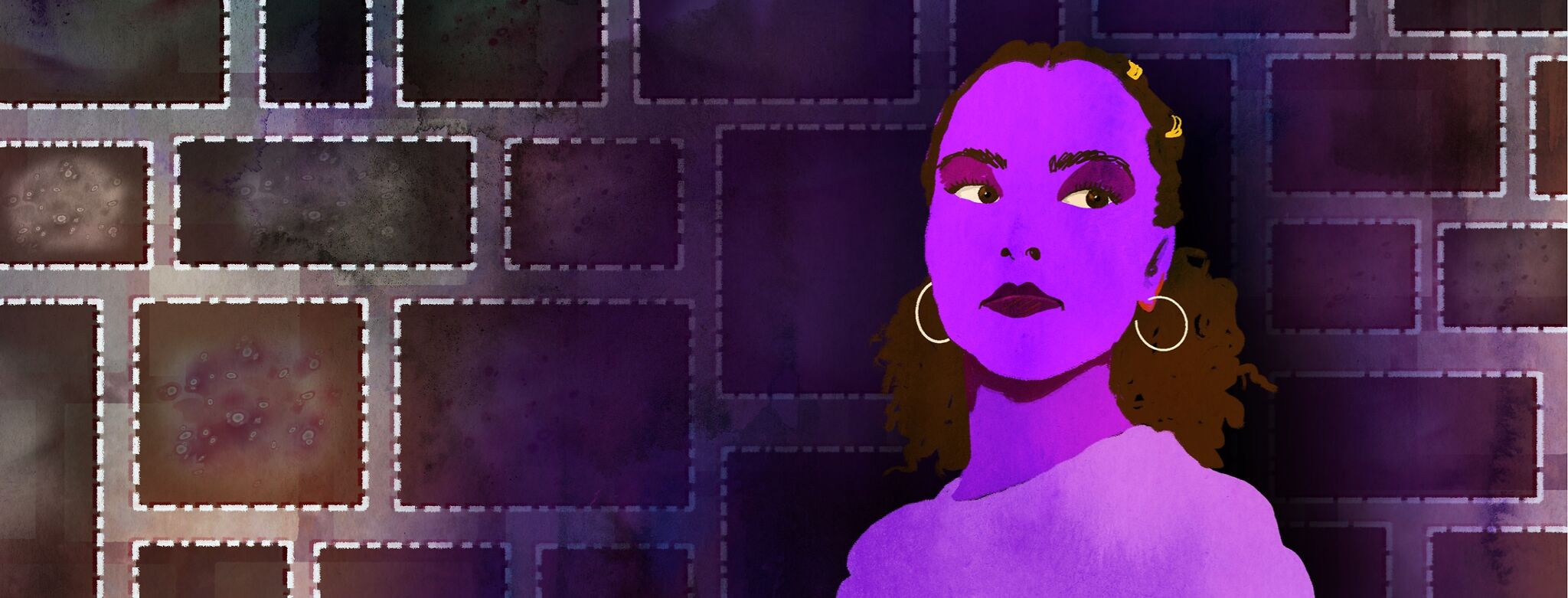
Growing up as a Black woman with eczema came with different experiences than just itchiness or irritation. My skin didn’t flare up red or look like diagrams or websites showed. Instead, my patches were raised, bumpy rashes that left behind dark blotchy hyperpigmentation. Hyperpigmentation that would remain long after flare-ups subsided. Skin that would become ashy, blotchy. Gray. Purple when sitting under certain lights.
My eczema eventually followed me into adulthood. It impacted how I dressed and presented myself to the world. I wore long skirts and pants during the summer to cover my legs (where it was most prominent), not because I liked it that way, but because I didn’t want to explain it.
I was a freelance glamour model at the time, so my skin wasn’t only my skin, it was my career. Behind closed doors, I dabbed on extra makeup where my eczema patches typically rose and hoped it wouldn’t smudge by the end of my photo shoot. Hoped nobody would notice.
The gap in dermatology care
Visits to dermatologists weren’t easy either. I went to as many dermatologists as my insurance would allow me. Many times, I was met with puzzled looks from doctors, as if what they were seeing didn’t match the disease they were trained to identify. Solutions were usually limited to medicated creams to help with irritation, with little to no discussion of effects like hyperpigmentation.

In retrospect, I was dealing with eczema and Dermatology’s inability to understand how it affects people with brown and Black skin.
Featured Forum
View all responsesEczema doesn’t always look red
One major misconception about eczema? It always shows up red and inflamed. Though that’s true for people with lighter skin complexions, eczema can look drastically different on darker skin tones.
Symptoms of a flare-up can look like:
- Dark brown or purplish
- Gray or ashy
- Thickened or raised
Due to these variations, eczema on darker skin is often misdiagnosed or dismissed altogether. When medical providers aren’t equipped to identify these differences, treatment tends to be superficial at best.
For many African Americans with eczema, that means decades of itching and scratching without ever feeling heard.
When a flare-Up becomes a lasting mark
To me, flare-ups were only half of the issue. There was also the after: Hyperpigmentation.
Dark, blotchy skin that didn’t disappear overnight—skin I woke up with every day. I’ll never forget sitting in swim class in high school, feeling extra self-conscious. Being in an environment where I couldn’t cover up made me anxious about my skin. Swimming triggered one of the worst outbreaks I’d ever experienced. I didn’t know that chlorine could worsen eczema symptoms if you’re not wearing sunscreen or taking proper precautions.
I didn’t have access to quality skincare. I didn’t know how to advocate for myself because I didn’t have the language. And growing up, I didn’t see many people who looked like me living with this skin condition.
So I concealed it. Covered up. Did the best I knew how to.
The emotional toll no one talks about
Skin problems like eczema can be considered physical illnesses. But let’s be real...it feels emotional, too.
The questions. The staring. The comments you didn’t ask for.
Each instance slowly chipped away at my confidence. I started noticing my skin everywhere. It consumed me. Even when I was loving myself up in spaces where I knew I was appreciated, I still felt insecure behind closed doors.
There is an exhaustion that comes with having to hide your illness and others' reactions to it, too. Double whammy when you don’t always feel supported by doctors.
Learning to advocate for myself and my skin
Until later on in life, things didn’t start to feel different.
In the past few years, I’ve noticed an increase in products and dialogue surrounding eczema and hyperpigmentation in skin of color. Along with that knowledge came something else: empowerment. The ability to speak up for myself.
If you have eczema on skin of color, here are some tips I wish I knew sooner:
- Believe what’s happening on your skin, even if it looks different than what you’re told eczema “should” look like.
- Ask specific questions about long-term side effects, such as discoloration.
- Find providers that cater to or are open to learning about skin of color.
- Be proactive in protecting your skin. Places like pools and excessive heat can be detrimental.
You deserve to be seen clearly
If you’ve ever felt like your skin wasn’t completely understood...you’re not alone. Eczema on dark skin needs more awareness. More research. More mindful care. When we can see it. We can treat it.
Your skin has a story to tell.
Let’s get it right.
Join the conversation